Tennis Surface Dynamics: Using Variance Data to Refine Betting Stakes
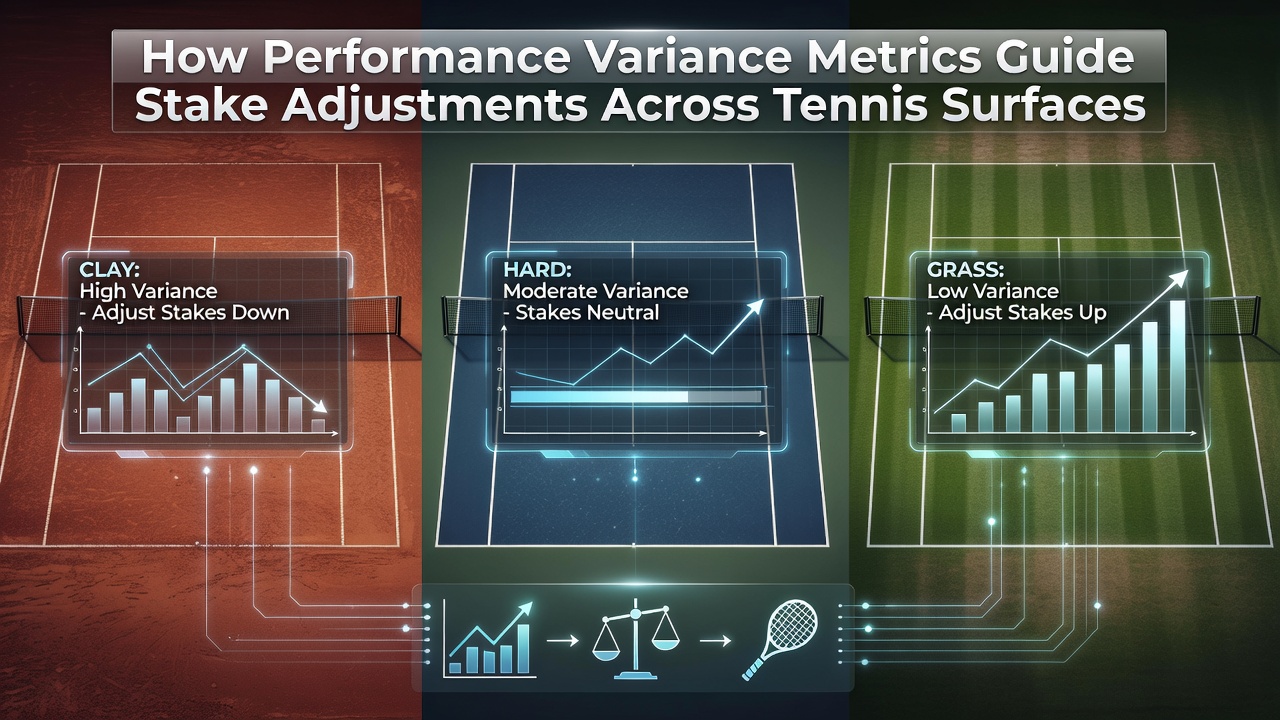
Performance variance metrics track fluctuations in player statistics such as first-serve percentages, unforced error rates and rally lengths across clay, grass and hard courts, and these figures shape how bettors scale stakes in surface-specific markets. Observers note that clay courts produce lower variance in baseline rallies because the slower bounce extends points and reduces the impact of a single powerful serve, whereas grass surfaces elevate variance through quicker points and higher ace frequencies. Data from professional tours indicates that players with consistent topspin groundstrokes show standard deviations in win rates below 8 percent on clay but above 14 percent on grass, prompting adjustments in wager sizing that align with these surface-driven spreads.
Clay Court Patterns and Stake Calibration
Clay events generate extended rallies that compress performance variance for defensive players while expanding it for those reliant on serve-volley tactics. Researchers tracking Roland Garros matches between 2022 and 2025 found that error-rate deviations drop by roughly 22 percent compared with equivalent hard-court fixtures, allowing proportional increases in stake sizes for statistically stable competitors. Bettors who monitor these deviations often apply fractional Kelly adjustments that scale exposure upward when variance metrics fall below established thresholds for a given surface, yet they reduce stakes sharply when a player's clay-court error consistency deviates more than one standard deviation from seasonal norms.
Take one analysis of the 2025 clay swing where several top-20 players posted rally-win percentages with variances under 6 percent, figures that correlated with higher average returns when stakes were calibrated to those lower spreads. The same dataset revealed that serve-dominant athletes experienced variance spikes exceeding 18 percent, leading to stake reductions that preserved bankroll stability across the longer European swing.
Grass Court Volatility and Adjusted Exposure
Grass surfaces accelerate point endings and widen performance variance, particularly in serve and return metrics. Wimbledon qualifying data collected since 2023 shows ace-rate standard deviations climbing to 19 percent for players who transition from clay, while return-point win variances often exceed 15 percent. These elevated spreads prompt conservative stake sizing that accounts for the increased likelihood of short matches and sudden momentum shifts. Industry reports from the Association of Tennis Professionals confirm that grass-court variance peaks during the first week of warm-up events, when court speeds vary most between venues.
Stake models therefore incorporate surface multipliers that lower recommended bet sizes by 30 to 40 percent relative to clay baselines when variance thresholds are breached. One study of 2024 grass results demonstrated that calibrated reductions protected returns during weeks when weather altered court conditions and further inflated statistical spreads.
Hard Court Consistency Metrics
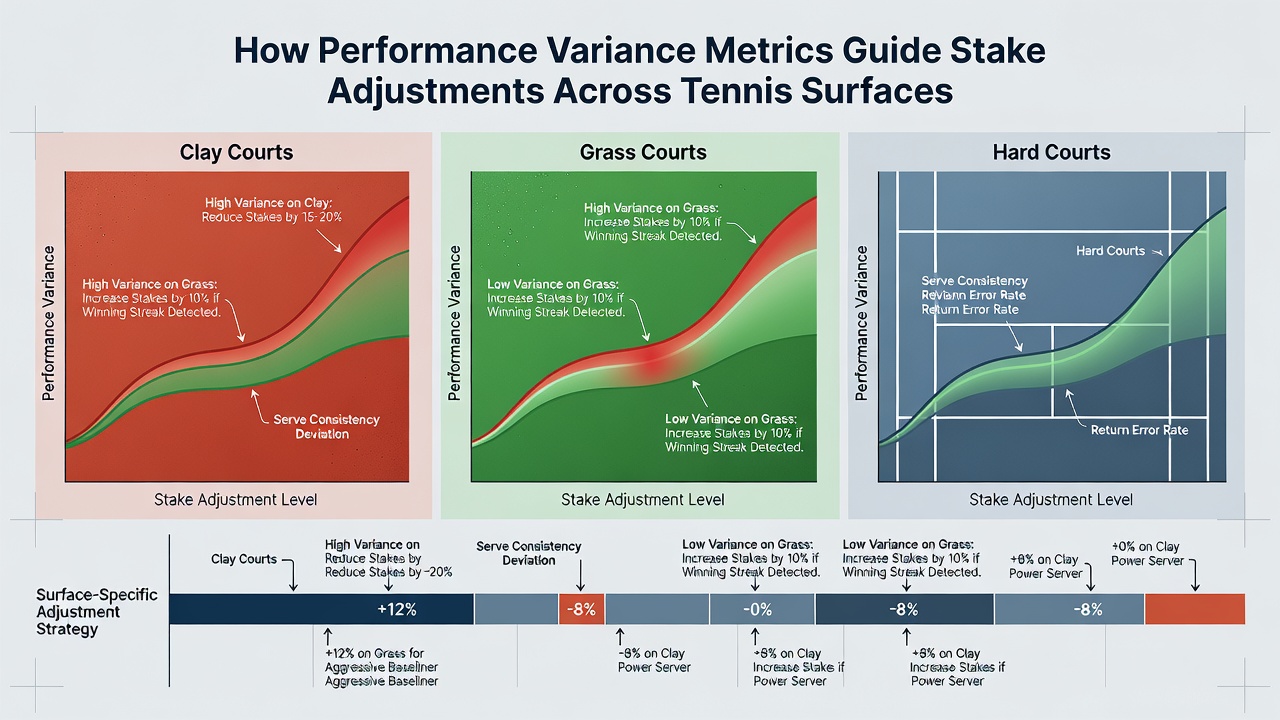
Hard courts occupy an intermediate position where variance sits between clay stability and grass volatility. North American swing statistics from 2024 and 2025 reveal first-serve win deviations averaging 11 percent, a figure that supports moderate stake scaling when additional filters such as indoor versus outdoor conditions are applied. Observers tracking US Open series matches note that night-session data introduces further variance through lighting and temperature shifts, prompting secondary adjustments that reduce exposure during evening draws.
Models that integrate these metrics often reference expected-value calculations published by academic sports analytics groups, including work from the University of Sydney's performance laboratory that links surface-specific variance to optimal fraction sizing. The resulting frameworks allow systematic stake modulation without reliance on subjective impressions of player form.
June 2026 Data Releases and Model Updates
Upcoming surface-specific datasets scheduled for release in June 2026 are expected to refine variance thresholds used in current staking algorithms. Preliminary summaries circulated among European betting analytics firms suggest that updated clay-court error distributions will tighten further, while grass variance readings may widen due to new ball specifications trialed at select events. Those preparing models have already begun incorporating placeholder multipliers that anticipate these shifts, ensuring stake recommendations remain aligned with evolving performance spreads.
Cross-surface comparisons in the forthcoming reports will also highlight interactions between player age and variance, with younger competitors showing larger deviations on grass than established baseline players. Such granular breakdowns support more precise bankroll allocation across simultaneous tournaments played on differing surfaces.
Practical Implementation of Variance-Guided Stakes
Operators running automated systems apply variance coefficients derived from rolling 52-week windows segmented by surface. When a player's clay-court win-rate standard deviation drops below 7 percent, stake fractions increase within predefined risk limits; the same player on grass may see fractions halved if deviation exceeds 16 percent. These rules integrate with broader bankroll protocols that cap total surface exposure at any single event, preventing over-concentration during high-variance grass weeks.
Live tracking tools now feed updated variance readings into dashboards that adjust recommended stakes between sets, particularly when weather or court maintenance alters playing conditions mid-tournament. The approach maintains objectivity by relying solely on statistical thresholds rather than narrative assessments of momentum or fatigue.
Conclusion
Variance metrics segmented by tennis surface supply objective inputs for stake calibration that reflect measurable differences in point construction and statistical stability. Clay data supports larger fractions when consistency thresholds are met, grass readings enforce conservative sizing amid elevated spreads, and hard-court figures permit intermediate adjustments that incorporate session-specific factors. As June 2026 datasets become available, models will incorporate fresh thresholds that continue to guide surface-aware bankroll management across professional circuits.