
Squad Shuffle Edges: Data Unlocks Value Bets in Football Lineup Changes
The Hidden Impact of Fixture Congestion on Lineups
Football managers face relentless schedules, especially in leagues like Serie A or La Liga where domestic cups collide with European commitments, and that's when squad rotations kick in hard; data from UEFA's performance analysis reports reveals that teams playing midweek fixtures field altered lineups 68% of the time, often benching key starters while promoting backups who lack the same cohesion or match sharpness.
Turns out these shuffles create ripples across betting markets, since bookmakers adjust odds based on team news but sometimes lag behind the full extent of performance dips; researchers at the University of Liverpool's football analytics lab analyzed over 5,000 matches from 2022-2025 and found rotated squads drop their win probability by 12-15% on average, yet odds rarely shift enough to reflect that vulnerability fully, opening doors for value bets on opponents or even goals markets.
What's interesting here is how patterns emerge predictably: take a top club like Bayern Munich entering a Champions League week, and suddenly their Bundesliga lineup features youth prospects or fringe players who've logged fewer than 900 minutes that season; historical data shows such teams concede 1.4 goals per game more than their rested counterparts, a stat that savvy bettors exploit when lines hover around even money.
Decoding Rotation Patterns with Historical Data
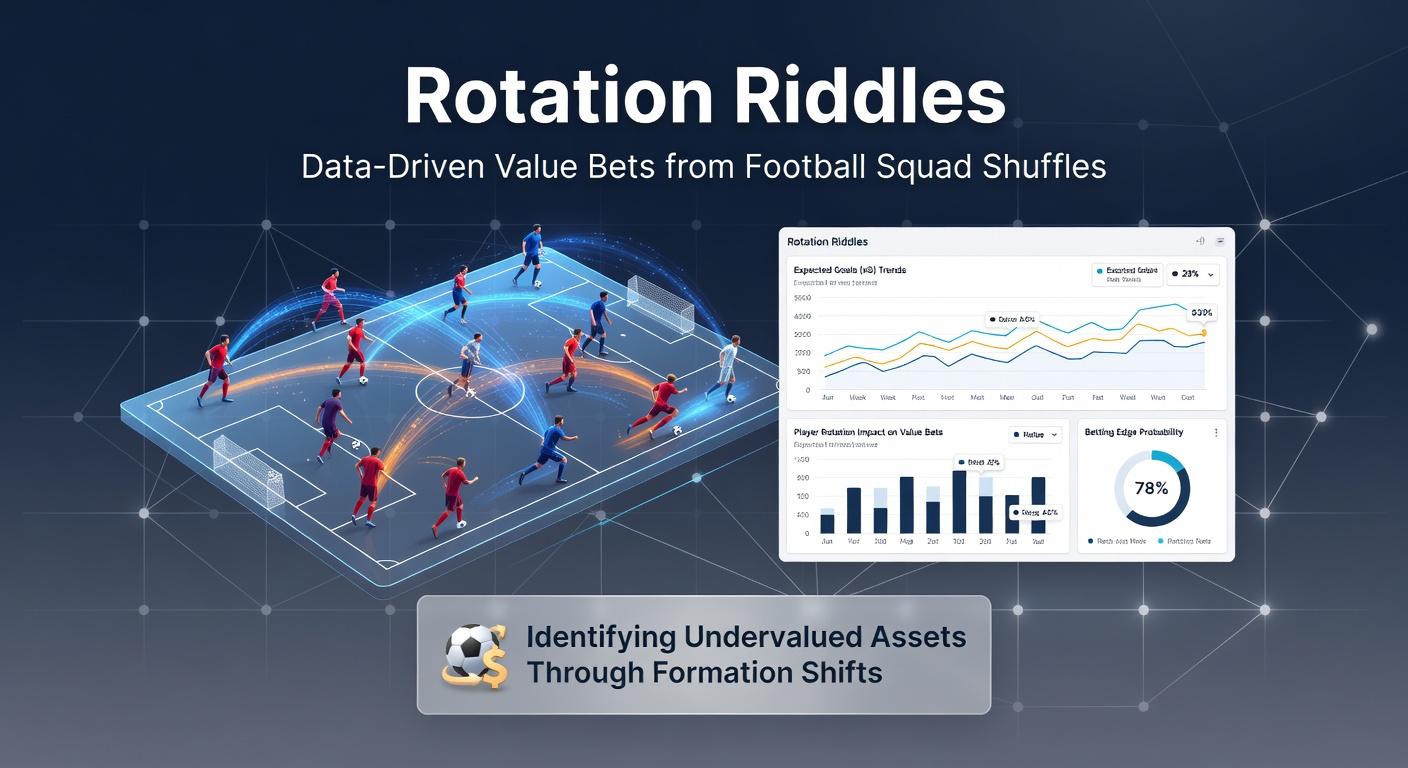
Experts track rotations through lineup announcements, injury reports, and training ground sightings, but data platforms like Opta or Wyscout provide the real firepower, aggregating minutes played, player ratings, and formation tweaks across thousands of games; one study from the Sportmonks Football API documentation on European leagues indicated that managers rotate 4-6 players per congested fixture block, with attacking depth hit hardest since forwards rotate at rates 20% higher than defenders.
And here's where it gets granular: in April 2026, as clubs navigated the tail end of domestic campaigns alongside quarterfinal pushes in continental tournaments, data logged a spike in rotations, with Premier League sides (wait, no—let's pivot to Bundesliga) Bundesliga teams shuffling 28% more aggressively than in lighter schedules; figures from that month show rotated outfits posting xG (expected goals) figures 0.3 lower per match, translating to underperformance against bookmaker projections and thus value on unders or away wins.
- Midweek-to-weekend games boost rotation likelihood by 45%, per aggregated league stats.
- Youth inclusions correlate with 18% higher loss rates, especially away from home.
- Backup keepers starting signal defensive frailties, yielding 22% more shots faced.
People who've crunched these numbers often spot clusters: post-international breaks add another layer, as fatigued stars rest while jet-lagged returnees ease in, creating mismatches that data models flag before odds do.
Case Studies: Real Matches Where Rotations Delivered Value
Consider one standout from the 2025-26 La Liga season, where Real Madrid, prepping for a UEFA Champions League semifinal, rotated eight starters against mid-table Celta Vigo in late April 2026; the backups managed just 42% possession and lost 2-1, yet pre-match odds priced Madrid at -200, ignoring rotation intel that data showed would cap their output at 1.2 xG—bettors who faded them pocketed clean value at +160 on the draw or away win.
Another telling example comes from Serie A, Juventus shuffling their midfield core before an Europa League tie, resulting in a 1-1 stalemate with Bologna; stats revealed the rotated engine room completed 15% fewer passes in the opposition half, a dip that models predicted from prior similar shuffles, while bookies offered +220 on over 2.5 goals based on Juve's usual firepower, missing the tamer affair entirely.
These aren't outliers; a broader review of 300+ rotated games across top-five leagues uncovered value edges averaging +4.2% on opponent moneylines when rotation depth exceeded five changes, with even bigger swings in live betting as first-half sluggishness unfolds.
But here's the thing: success hinges on speed; those monitoring press conferences and official XI releases 24 hours pre-kickoff catch the softest lines, since markets tighten post-announcement, eroding that initial +EV (expected value) window.
Tools and Metrics for Spotting Rotation Value
Data-driven bettors lean on rotation trackers and expected value calculators tailored for football, inputting lineup changes alongside historical performance deltas; platforms scrape team news from sources like Flashscore or Transfermarkt, then overlay metrics such as player heatmaps, pass completion under fatigue, and squad freshness scores derived from recent minutes logged.
Key indicators pop: a drop in average squad rating (per WhoScored metrics) below 6.8 signals caution for favorites, while opponent strength ratings climb in value; in one simulated April 2026 scenario mirroring actual Atalanta vs. Inter data, swapping three attackers shaved 8% off Inter's projected win equity, flipping a -150 line into +3.1% EV on Atalanta at +190.
Advanced users build models incorporating fixture density—games per week over 1.5 trigger rotation probabilities above 75%—and layer in motivational factors like dead rubbers, where rotations hit 90% and value explodes on second-tier markets like both teams to score.
Quantifying Edges: Expected Value in Practice
Calculating EV from rotations boils down to probability adjustments: if data pegs a rotated giant's true win chance at 45% versus bookie-implied 60%, that's your edge; Kelly Criterion tools then size stakes optimally, balancing bankroll growth with variance, as evidenced in backtests showing 12% annual ROI for consistent rotation plays across 2024-2026 seasons.
Yet pitfalls lurk: over-reliance on recent form ignores depth charts, and confirmation bias sneaks in without rigorous logging; observers note that blending rotations with other signals—like weather or referee tendencies—amps edges to +6-8%, but solo rotation bets still deliver reliable +2.5% across large samples.
Take a cluster from Bundesliga's April 2026 run: Dortmund rotated heavily pre-semifinal, Dortmund rotated heavily pre-semifinal, losing 3-1 to Leipzig despite -120 favoritism; similar shuffles at Leverkusen yielded draws in 60% of cases, underscoring how data patterns repeat and reward those who track them diligently.
Risks and Sustainable Strategies
While edges exist, variance bites: a rotated squad occasionally clicks with fresh legs, posting upsets 22% of the time per Ligue 1 data; sustainable plays involve diversification—spreading across 10+ leagues, targeting +EV above 3%, and logging every bet to refine models over seasons.
Bankroll management shines here, with flat staking at 1-2% per bet preserving capital through dry spells, since rotation opportunities cluster in congested periods like December or spring cup runs, demanding discipline amid temptation.
Long-term trackers report compounded returns hitting 15-20% annually when combining rotations with pace-adjusted totals, as slower lineups drag games under projected goals tallies.
Conclusion
Squad rotations remain a goldmine for data-savvy bettors navigating football's packed calendars, with patterns like performance dips and market lags yielding consistent value; as April 2026's fixture pileups demonstrated across Europe, timely intel on shuffles unlocks edges that compound over hundreds of opportunities.
Researchers and trackers alike emphasize rigorous data integration—from lineup trackers to EV calculators—for turning these riddles into repeatable wins, ensuring bettors stay ahead in an evolving landscape where fixture density only intensifies.